National Museum Bangkok
📍 Phra Nakhon · near Sanam Luang
Thailand's largest museum, run by the Fine Arts Department: Thai history, royal regalia, art and archaeology.
Expat Bangkok
Opening days, hours and admission change — check with each museum before visiting. Bangkok local museums are small district museums run by the BMA; confirm opening times with the district office.
📍 Phra Nakhon · near Sanam Luang
Thailand's largest museum, run by the Fine Arts Department: Thai history, royal regalia, art and archaeology.
📍 Phra Nakhon · Tha Tien
Interactive museum in a historic building near Wat Pho that tells the story of Thai identity and the people of Siam.
📍 Pathum Wan · BTS National Stadium
Contemporary art, design and performance venue of the Bangkok Metropolitan Administration.
📍 Phra Nakhon · Bang Khun Phrom
Museum of the central bank on the history of Thai money and banking.
📍 Samphanthawong · Song Wat Road
BMA district museum on the history and Chinese-influenced culture of the Samphanthawong community.
📍 Phra Nakhon
BMA district museum on the old-city community and Rattanakosin neighbourhoods.
📍 Bang Khun Thian · Bang Khun Thian–Chai Thale Road
BMA district museum on the way of life and local wisdom of the Bang Khun Thian coastal community.
📍 Lat Krabang · Wat Suthaphot
BMA district museum on the history and culture of the Lat Krabang canal community.
📍 Pathum Wan · near BTS National Stadium
Traditional Thai houses and art collection of the American silk entrepreneur Jim Thompson.
📍 Don Mueang · Vibhavadi Rangsit Road
Private museum of modern and contemporary Thai art.
📍 Watthana · Asok Montri Road
Northern Thai (Lanna) house museum run by The Siam Society, on everyday life and traditions.
📍 Bang Mueang Mai, Samut Prakan
Museum inside a giant three-headed elephant sculpture, with antiques and religious art.
📍 Bang Pu, Samut Prakan
Large open-air park with scale replicas of Thailand's famous monuments and buildings.
Experience the traditions, customs
and vibrant way of life in Bangkok.
Local culture Religious site Do’s in Thailand Don't in Thailand
Discover traditions, stories, and the heart of the community
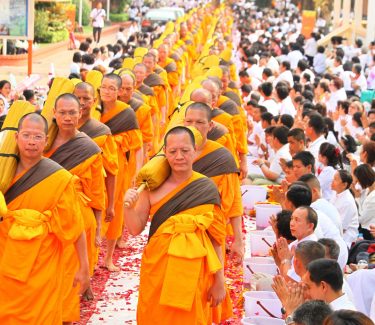
Buddhism is the heart and soul of Thai culture, shaping beliefs, customs, and daily life. Respect for monks, clad in saffron robes, is highly regarded. Many locals visit temples to make merit, a way of accumulating good karma.
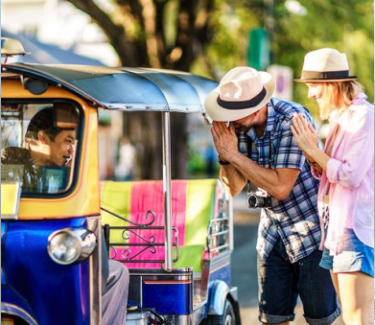
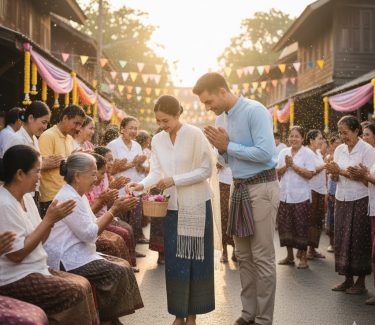
The "wai" is a gesture of greeting and respect, with hands pressed together in prayer position at chest or head level, depending on the seniority of the person. It's a beautiful display
of courtesy.
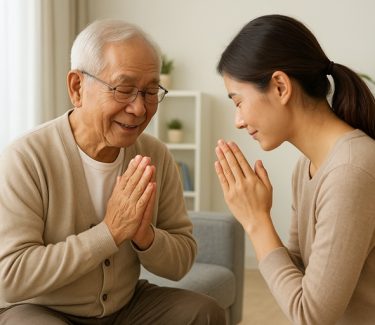
Thai culture emphasizes respect for elders and those in positions of authority. Using polite language and addressing people with titles like "khun" (mister/madam) is customary.
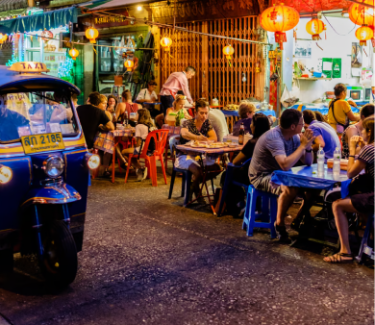
Bangkok's street food scene is legendary. From fiery curries to fragrant stir-fries and refreshing noodle dishes, there's something for everyone. It's a delicious and affordable way to experience local flavors.
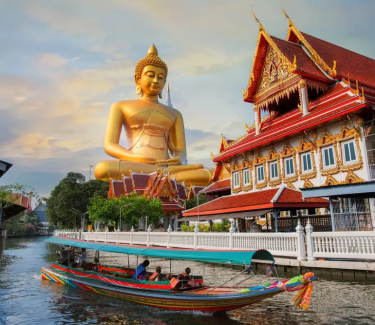
When visiting temples, dress modestly. Shoulders and knees should be covered. Shoes are typically removed before entering temple buildings
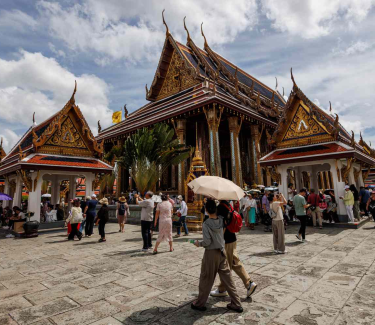
Many Thais wear amulets for protection and good luck. These can be purchased at temples or specialist shops.
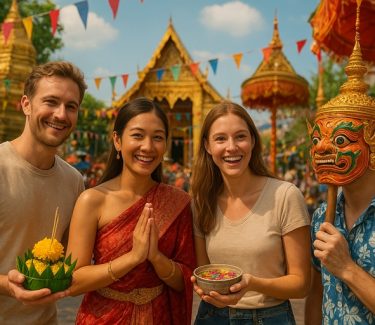
Bangkok comes alive with vibrant festivals throughout the year. Songkran (Thai New Year) involves water splashing, Loy Krathong features floating lanterns, and the Vegetarian Festival showcases displays of endurance and devotion.
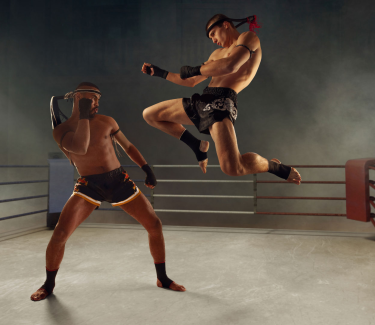
Bangkok offers a vibrant nightlife scene, with rooftop bars, nightclubs, and traditional Thai dance performances like Muay Thai boxing matches.
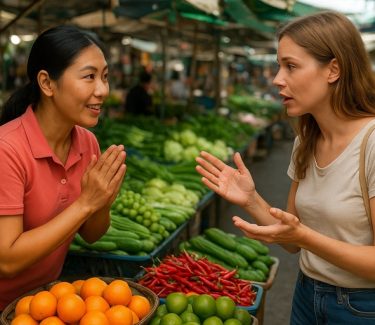
Bargaining is a significant part of the shopping experience in Bangkok, especially at markets and with independent vendors. "Kai Tow Rai" (how much?) is a common practice in markets and with vendors. It's a friendly haggle, not a hostile one. The most common places for bargaining are Chatuchak Weekend Market, JJ Green Night Market, and stalls along Khao San Road. It's less common in malls and department stores.
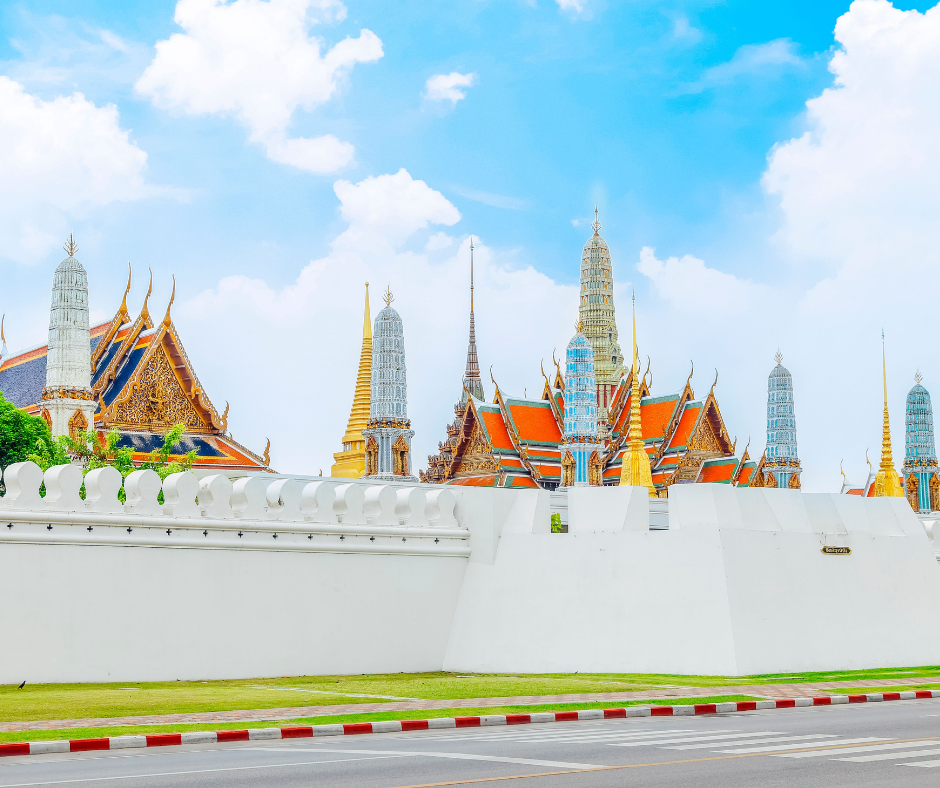
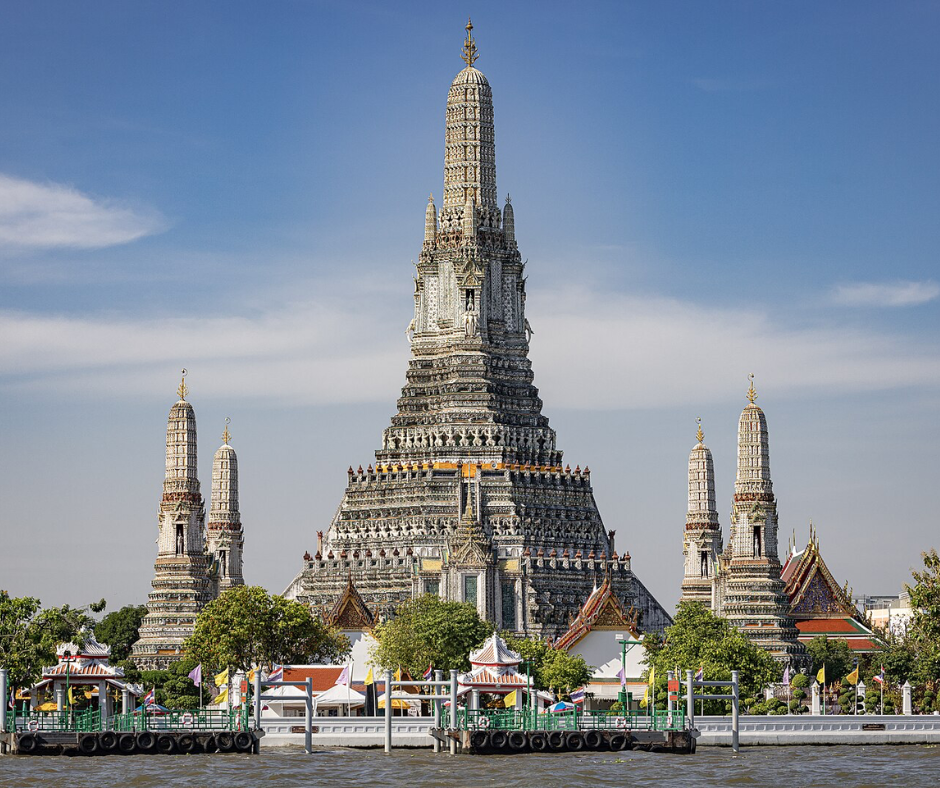
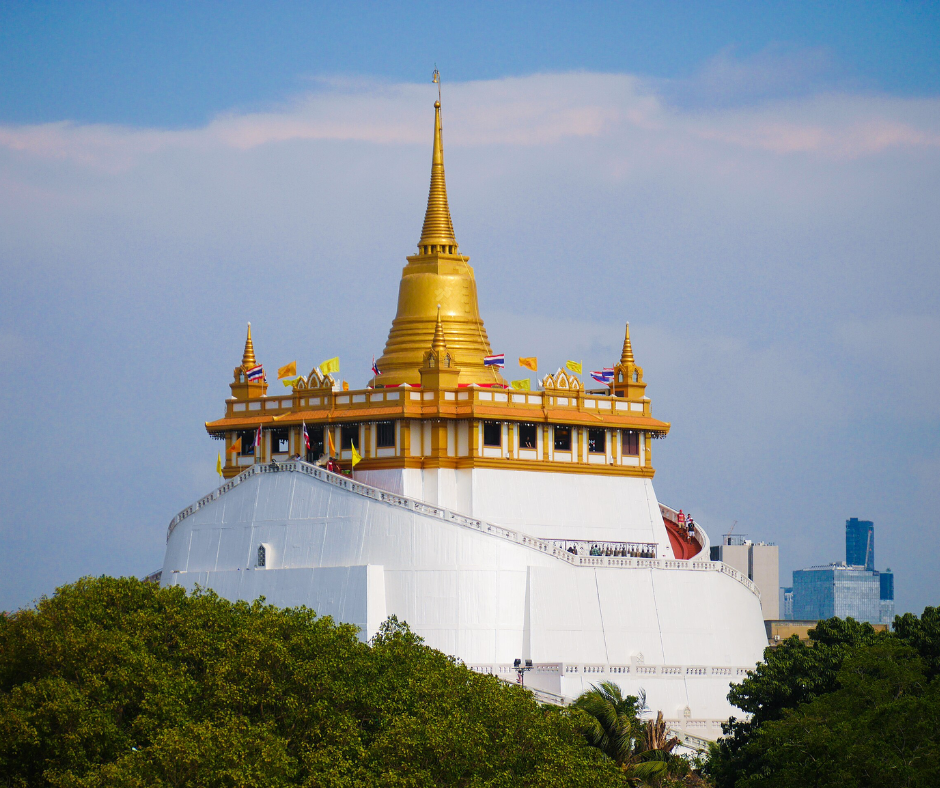
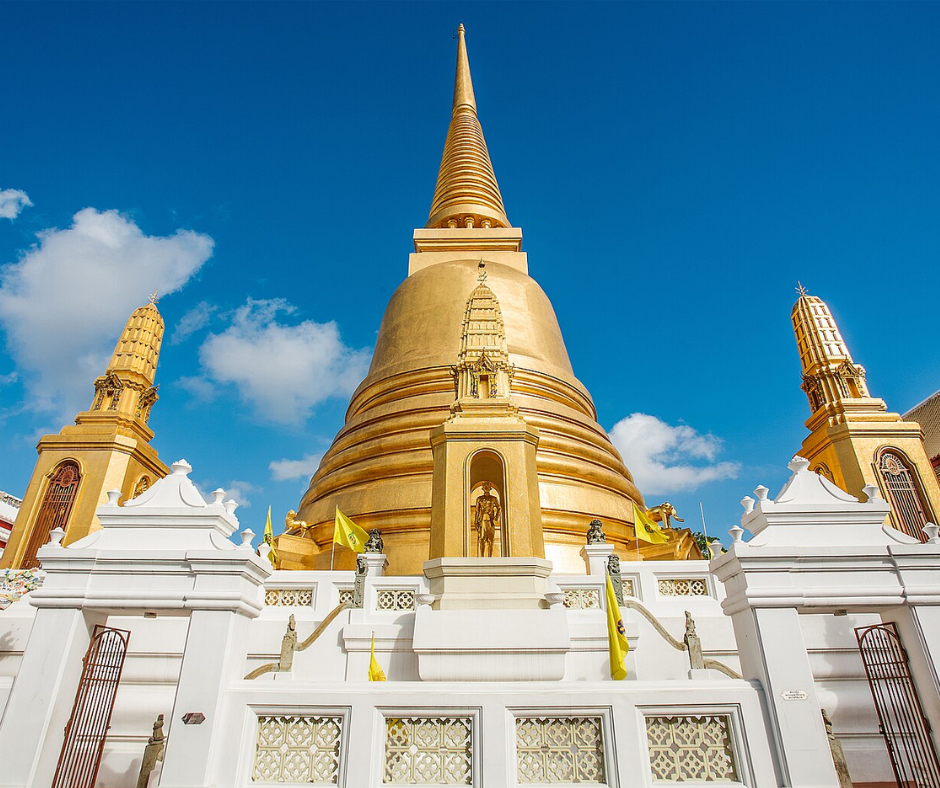
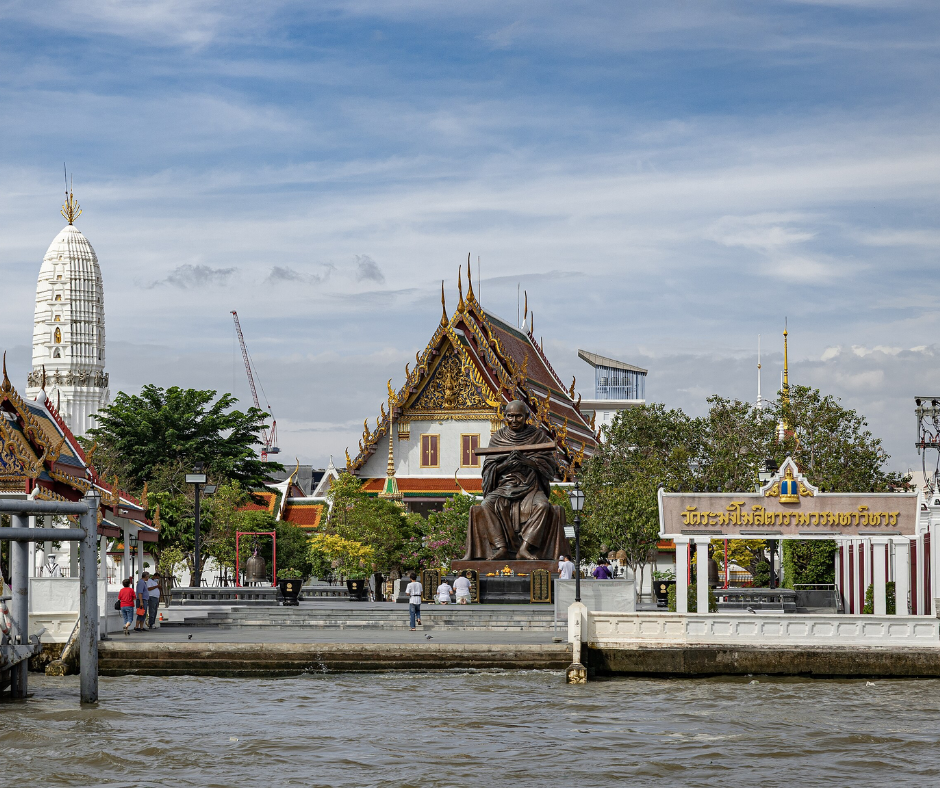

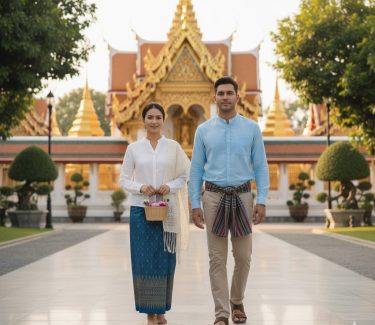
Temples in Thailand are sacred places, and dressing modestly is a sign of respect. This means covering your shoulders and knees and avoiding any clothing that’s too revealing. When you visit a temple, it’s also customary to remove your shoes before entering. This practice shows reverence and respect for the sacred space.
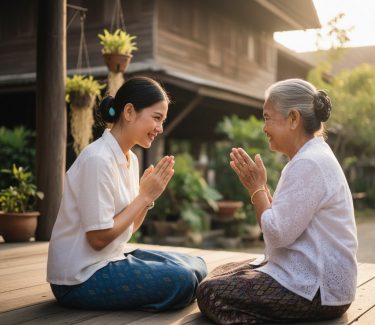
The Thai Wai, a gesture of greeting where you press your palms together near your chest and bow slightly, is an integral part of Thai culture. It’s used to greet, thank, or apologize. Using the Wai appropriately shows your respect for Thai customs and is greatly appreciated by the locals.
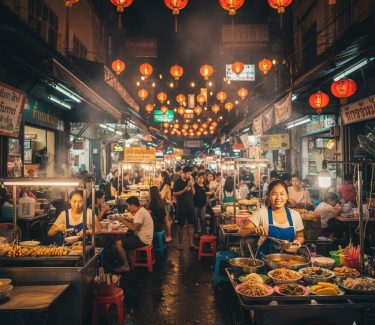
Thai cuisine is renowned globally for its flavors and variety. When in Thailand, be adventurous with your food choices. From street food stalls to high-end restaurants, Thai dishes offer a burst of flavors that shouldn’t be missed. Don’t forget to try local specialties in each region!
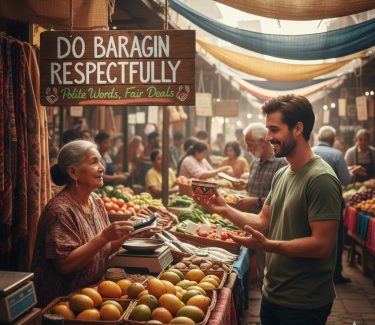
Bargaining is part of the shopping experience in many Thai markets. However, it’s important to do it respectfully and with a smile. Remember, the goal is to reach a fair price that’s acceptable to both you and the seller, not to undercut their livelihood.
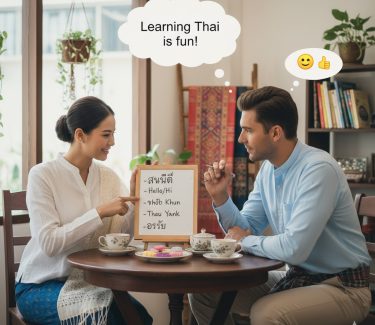
Learning a few basic phrases in Thai can go a long way in showing your respect for the country’s culture. Simple phrases like ‘hello’ (sawasdee) and ‘thank you’ (khob khun) can help you connect with locals and enrich your travel experience.
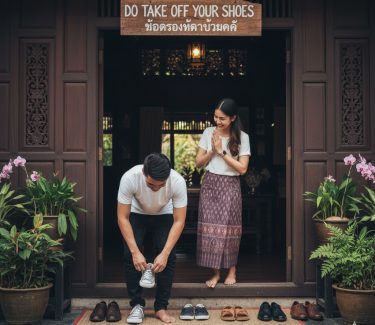
In Thailand, it’s customary to remove your shoes before entering someone’s home, certain businesses, and places of worship. This practice is a sign of respect and cleanliness. Always look for a shoe rack or other shoes at the entrance as a cue.
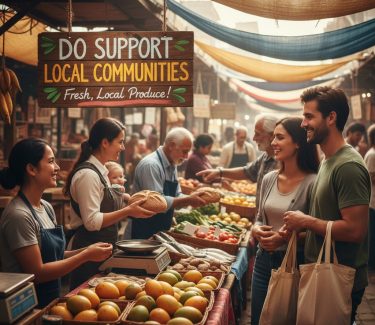
This can be done by shopping at local markets, dining at restaurants owned by locals, and choosing tours that are respectful of the environment and benefit the local economy.
Credit : Bangkok Airways
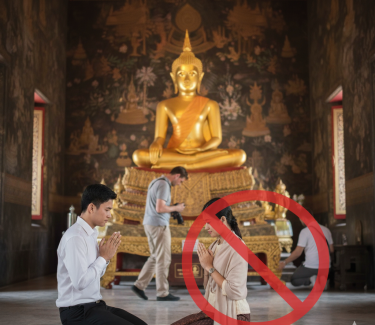
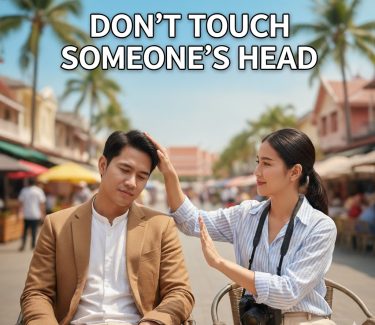
The head is regarded as the most sacred part of the body in Thai culture. It’s important to avoid touching someone’s head, including children. This gesture, which may seem harmless or affectionate in other cultures, can be seen as highly disrespectful in Thailand.
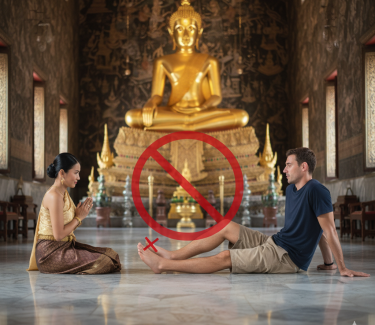
Feet are considered the lowest and least clean part of the body in Thai culture. Pointing your feet at people, religious objects, or even casually placing your feet on tables or chairs is seen as highly disrespectful. Always be mindful of your feet’s position, especially in temples and homes.
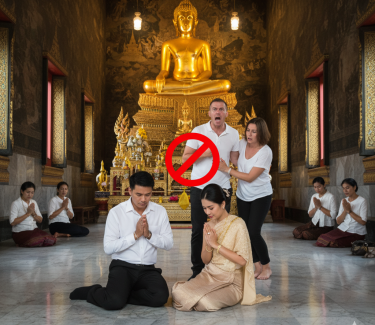
Maintaining a calm and polite demeanor is highly valued in Thai culture. Raising your voice, showing anger, or engaging in public arguments is frowned upon. It’s important to remain composed and respectful, even in challenging situations.
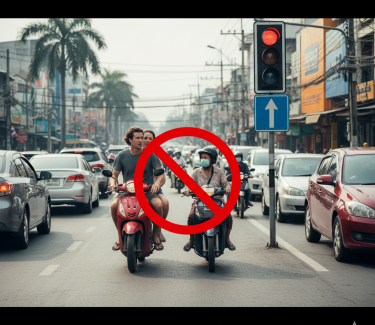
Thailand’s roads can be hectic, and it’s crucial to adhere to traffic laws for your safety. Always wear helmets when riding bikes or scooters, follow traffic signals, and exercise caution as a pedestrian. Respecting these laws helps ensure a safe experience for you and others.
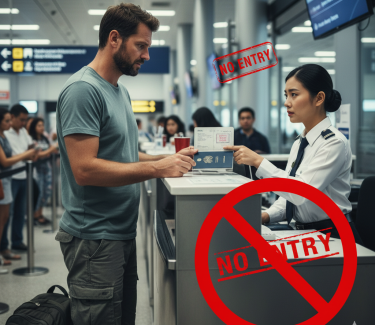
Respecting Thailand’s immigration laws is crucial. Overstaying your visa can result in fines, legal troubles, or even detention. Always keep track of your visa duration and renew or exit the country as required.
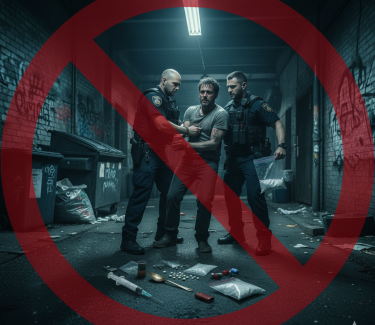
Thailand has very strict drug laws. Using, possessing, or trafficking drugs can lead to severe penalties, including imprisonment. For your safety and legal well-being, it’s best to steer clear of any drug-related activities.
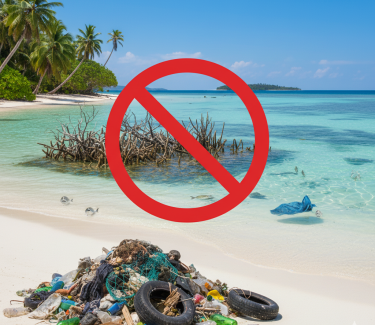
Thailand is home to some of the world’s most beautiful beaches and marine life. It’s important to respect these natural wonders by not littering, harming marine life, or damaging coral reefs. Responsible behavior helps preserve these treasures for future generations.
Credit : Bangkok Airways